
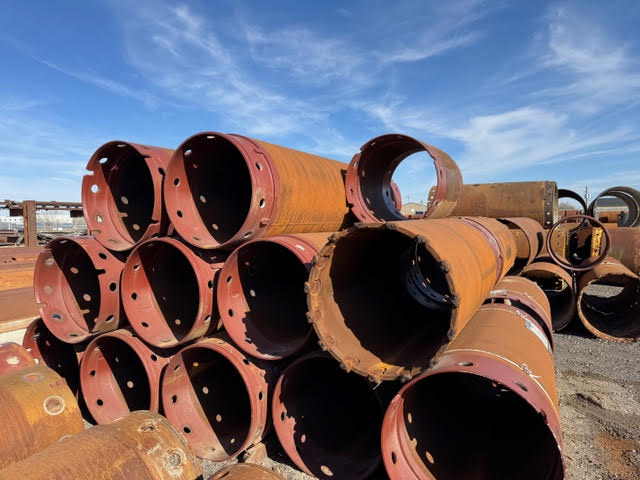
Choosing the right drilling tools for a project depends on rig size, soil conditions, depth, diameter, and the specific demands of the hole. A reliable drilling equipment rental partner helps contractors match augers, core barrels, drilling and clean out buckets, casing, and teeth to the machine and the ground, improving productivity, reducing wear, and keeping foundation drilling projects moving efficiently.
Choosing drilling tools is rarely simple, and that is exactly why the right rental partner matters. A project may require basic rock or dirt augers on one job and a heavy-duty bucket with aggressive rock-cutting teeth on the next.
Soil conditions, bore diameter, rig capacity, casing needs, and depth all affect the final setup, especially when crews face sand, clay, sandstone, cobbles, boulders and even water.
In this guide, you’ll learn how a professional foundation drilling rental process works, how tool selection changes from project to project, and why a knowledgeable drilling equipment supplier can make the difference between smooth production and costly downtime.
What goes into choosing the right rental drilling tools?
Choosing the right tooling for a foundation project means matching the drill rig, ground conditions, and engineering requirements to the appropriate augers, buckets, barrels, casing, and teeth.
A strong drilling equipment rental program assesses whether the project requires a rock auger, a dirt auger, a cleanout bucket, a core barrel, or a casing system. In many cases, the most important factor is compatibility between the tool and the rig, especially when different machine brands use different Kelly box sizes and stub interfaces.
Tool selection also varies with formation. Sand, clay, sandstone, weathered rock, hard rock, cobbles, and boulders each require different cutting styles, tooth configurations, and wear protection. That is why a reliable foundation drilling rental process must look beyond size alone and consider how the tool will perform under real-world site conditions.
As a drilling equipment supplier, Western Equipment Solutions focuses on keeping that process practical, fast, and aligned with the project’s actual production needs.
The best rental tool decisions usually come from combining machine compatibility, ground conditions, and expected production goals rather than choosing equipment solely by size.
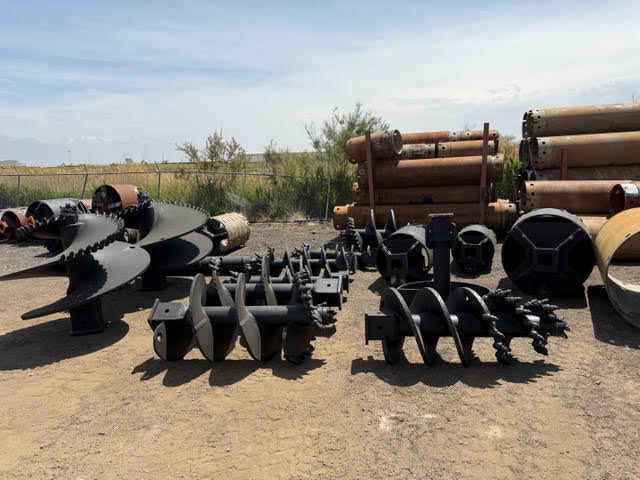
How do we choose the best rental drilling tools?
1. Project requirements and understanding of ground conditions
Once the project requirements have been outlined for diameter, depth, and quantity, it is important to look at ground conditions. Sand, clay, sandstone, weathered rock, hard rock, cobbles, boulders, and sloping rock all affect which tool style will drill cleanly and stay productive.
2. Drill rig
Once you have determined which drill rig will be required, it’s important to understand the rig’s setup, capabilities, and limitations. A smaller rig typically needs smaller tools and lighter teeth, while a larger rig can support more aggressive tooling and deeper carbide wear surfaces.
3. Match the tool type to the job
From there, we select the right auger, bucket, core barrel, or cleanout bucket. A drilling equipment rental job may require a standard dirt auger in one zone and a heavy-duty rock tool in another.
4. Check compatibility
Kelly bar size and stub size must match the tool interface. If needed, we can modify boxes, weld new ones, or use a stub adapter so the tool fits properly.
5. Consider casing requirements
If the project needs temporary stabilization, we add casing and casing drivers into the plan. In many cases, a foundation drilling rental package includes the primary tool and the casing system.
6. Confirm wear parts and teeth
Finally, we choose the correct tooth style and carbide level for the formation. That may include standard carbide teeth or upgraded M&S Gruseck carbide-embedded teeth for harsher conditions.
Real-world tool selection examples
On a smaller rig drilling in softer soils, a compact auger with smaller carbide teeth may be the best fit because it gives the operator control without overloading the machine.
In a larger drilling equipment rental setup, the same site might call for a wider bucket or more aggressive rock teeth if the hole transitions into hard material. That kind of adjustment is exactly why a knowledgeable drilling equipment supplier matters.
A common example is a project that starts in clay and moves into cobbles or weathered rock. In that case, a standard soil tool may work at first, but the crew may need to switch to a rock auger or core barrel to maintain production. If the bore requires temporary stabilization, the foundation drilling rental plan may also include casing and casing drivers to keep the hole open and vertical.
Another example involves tool compatibility across machine brands. Soilmec and Tescar rigs use different bar and stub sizes, so the tool must match the machine correctly. That is why a trusted drilling equipment rental process involves knowing which tools fit which rigs and which conditions they are best suited for.
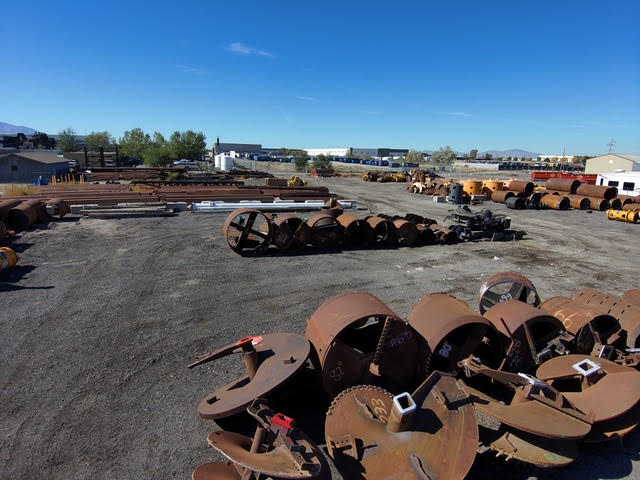
Why the right tool match matters
- Improves drilling speed and cutting efficiency
- Reduces wear on tools, teeth, and rig components
- Helps maintain verticality in difficult ground
- Lowers downtime caused by poor fit or wrong tooling
- Supports safer and more predictable production
- Makes the foundation drilling rental process more cost-effective
- Helps contractors rely on a drilling equipment supplier that understands the job
Mistakes contractors should avoid
- Choosing tools based only on the hole diameter
- Ignoring Kelly box and stub compatibility
- Using the same tool across very different soil conditions
- Underestimating cobbles, boulders, or sloping rock
- Treating casing as an afterthought instead of part of the rental plan
- Relying on a drilling equipment rental package without checking whether the tool matches the rig and the formation
Key tooling insights
- A single foundation project may require multiple tool types as ground conditions change.
- Larger rigs generally need larger bar interfaces and heavier-duty tooling.
- Cleanout buckets are commonly sized about two inches smaller than the primary tool.
- Temporary casing is often reused, which is one reason it’s a practical rental item for foundation drilling.
- Carbide-embedded teeth can improve wear life and productivity in abrasive formations.
- A skilled drilling equipment supplier can reduce the number of failed tool matches and improve job site uptime.
Recommended rental tools and accessories
- Dirt augers
- Rock augers
- Core barrels
- Digging buckets
- Cleanout buckets
- Casing and casing drivers
- Stub adapters and Kelly box modifications
- M&S Gruseck carbide-embedded teeth
A well-rounded drilling equipment rental inventory should include common sizes like 24-inch, 30-inch, 36-inch, 48-inch, 54-inch, and 60-inch tooling.
Western’s broader foundation-drilling rental stock can also support specialized work with casing, wear parts, and upgraded carbide teeth when conditions demand greater durability. That’s part of what makes a responsive drilling equipment supplier valuable on complex projects.
FAQ
Q: How do you choose the right rental drilling tool?
The best tool depends on rig size, Kelly box compatibility, depth, diameter, and ground conditions. A reliable drilling equipment rental partner should evaluate all of those factors before recommending an auger, bucket, barrel, or casing system.
Q: Why does soil type matter so much?
Soil type changes how aggressively a tool can cut and how quickly it will wear. Sand, clay, sandstone, cobbles, and hard rock all require different tooling styles, tooth configurations, and carbide protection.
Q: Why is casing often included in foundation drilling rental?
Casing is often temporary and reusable, which makes it practical to rent rather than buy. It helps stabilize the hole, control groundwater, and maintain verticality in difficult conditions.
Q: What makes a good drilling equipment supplier?
A good drilling equipment supplier understands tool fit, soil conditions, rig compatibility, and project requirements. They should be able to recommend the right tool quickly and back it up with service, support, and rental flexibility.
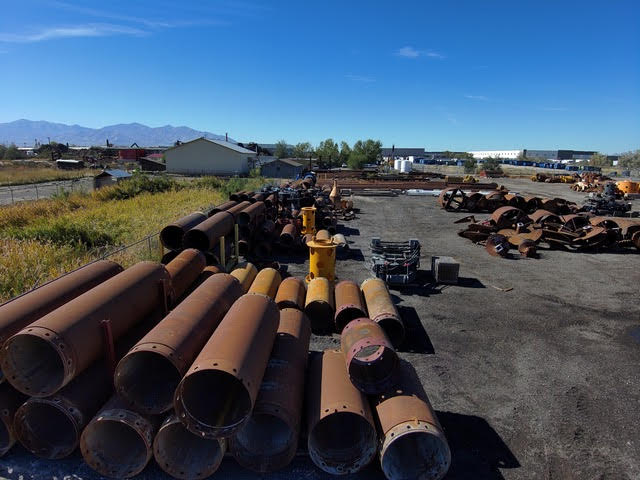
Let Western Equipment Solutions be your drilling equipment supplier
Choosing the best rental drilling tools comes down to understanding the rig, the ground, and the engineering requirements before the first hole is drilled. When you work with a knowledgeable drilling equipment supplier, you get support, compatibility guidance, and practical solutions that keep the job moving.
Western Equipment Solutions is built to be that partner, offering a full range of drilling equipment and foundation drilling rentals for contractors who need the right tool on the first try. Contact us today to get started.